Uncovering the Essential ATU Troubleshooting Checklist

December 12, 2023

Aerobic treatment units (ATUs) offer eco-friendly wastewater treatment solutions for residential and commercial properties. However, like any system, ATUs can experience issues that require troubleshooting and problem resolution. To ensure fast and effective intervention, we've compiled a comprehensive troubleshooting checklist outlining the essential steps to diagnose and resolve common ATU problems.


This checklist covers various scenarios, including system malfunctions, alarms, odor control, and irregular performance. Armed with this guide, property owners can confidently navigate the troubleshooting process while working closely with expert service providers like Alternative Septic Management, Inc. in Georgia, to maintain their ATU systems' efficiency and longevity.


Join us as we explore the ultimate ATU system troubleshooting checklist, empowering you with the knowledge necessary to identify and address issues promptly, ensuring your wastewater treatment system performs optimally throughout the year.


Step 1: Assess Alarm System Functionality


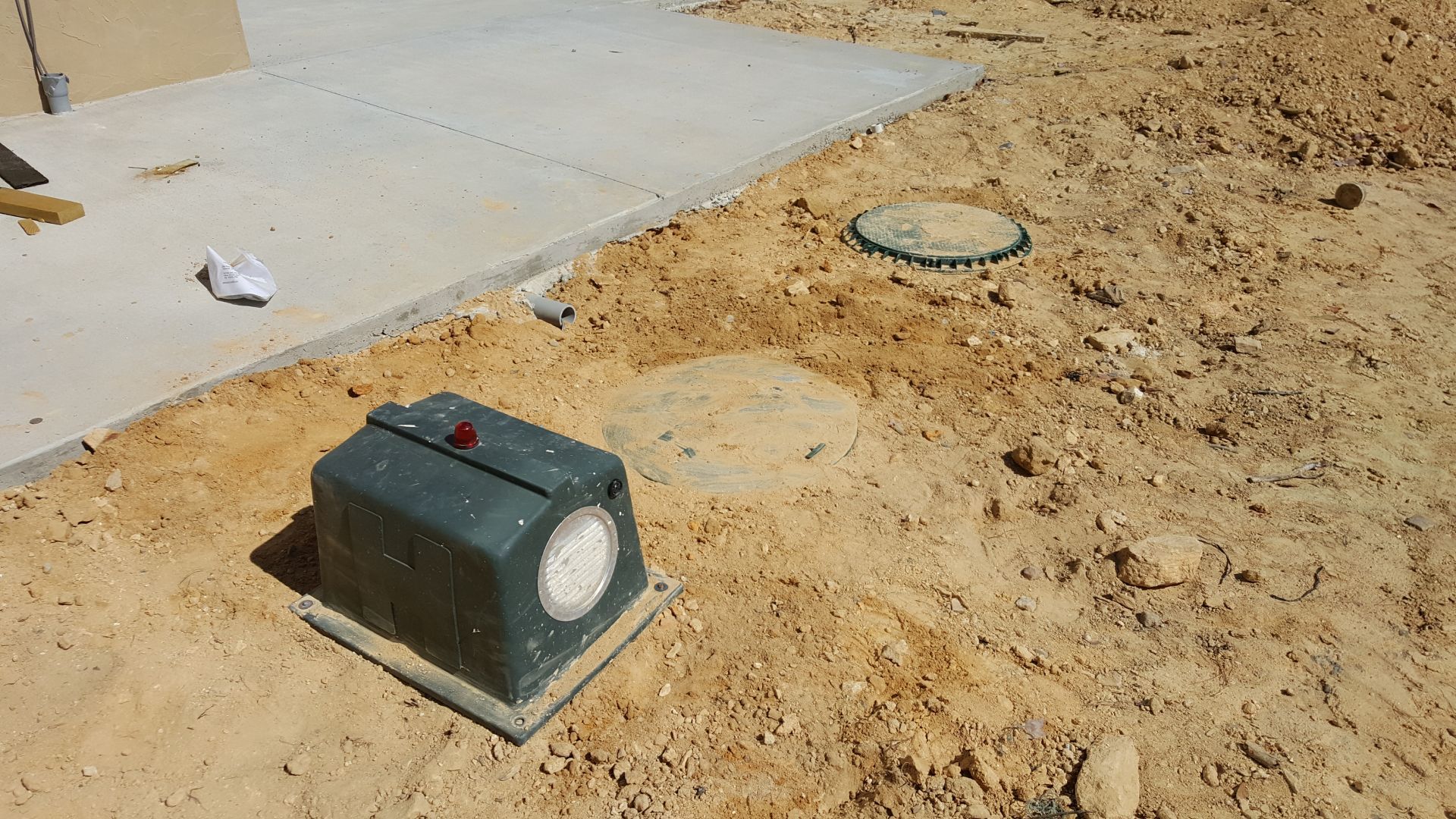
The first step in troubleshooting your ATU system is to assess the alarm system's functionality. A properly functioning alarm system helps to identify potential issues in the system, allowing for timely intervention. To evaluate your alarm system:


1. Verify that the alarm system is powered and functioning correctly

2. Test the alarm buzzer and light to ensure proper operation

3. Document and analyze any recurring alarm patterns that may indicate a specific issue


In the event of an alarm system failure, contact expert service providers like Alternative Septic Management, Inc. for guidance and assistance in addressing the problem.


Step 2: Inspect the Air Pump and Diffusers


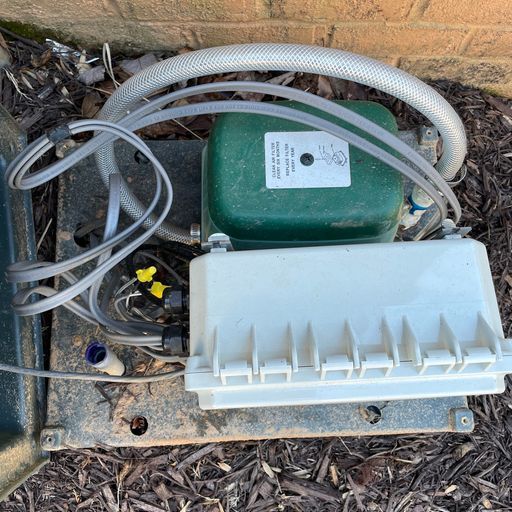
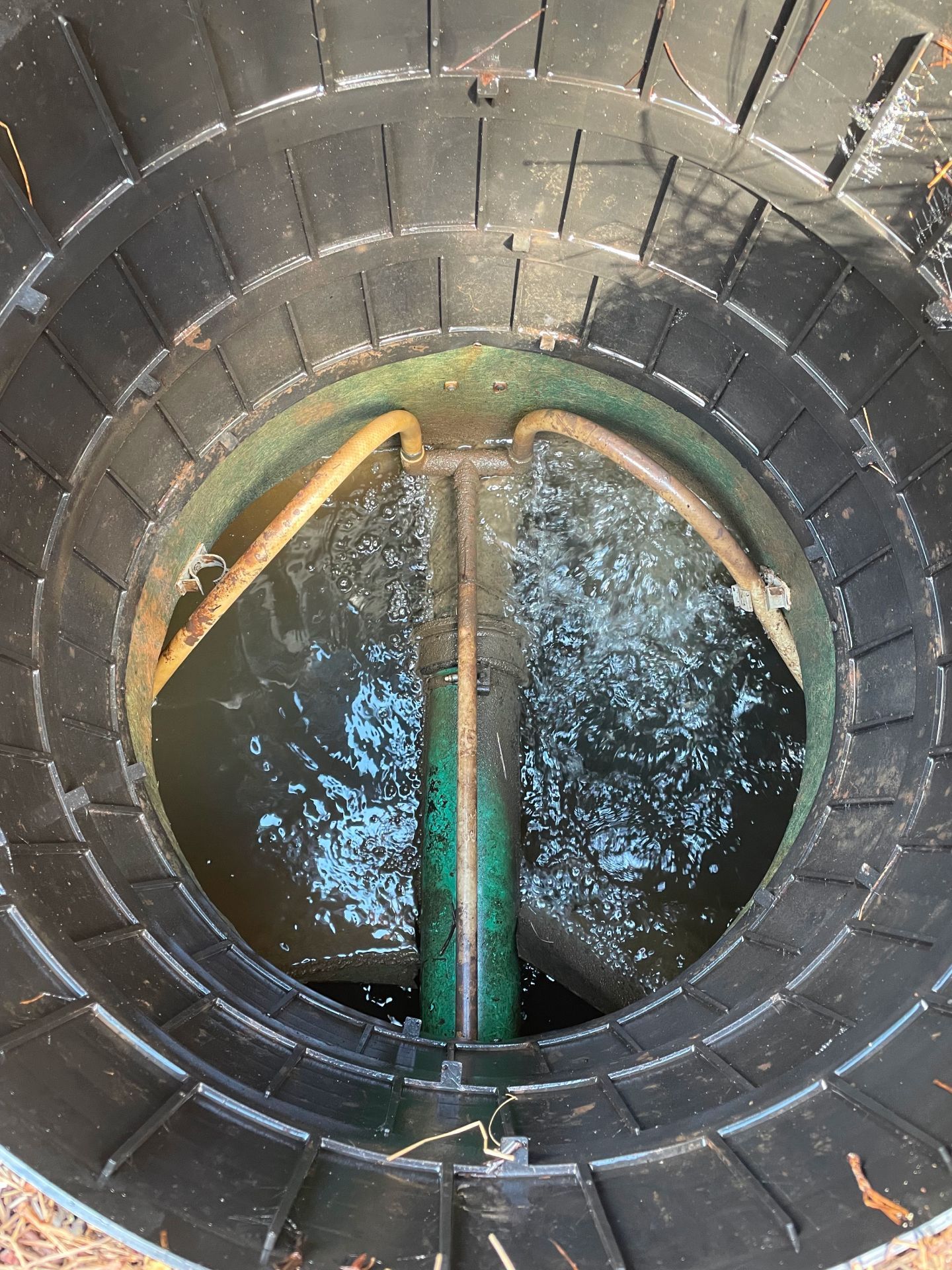
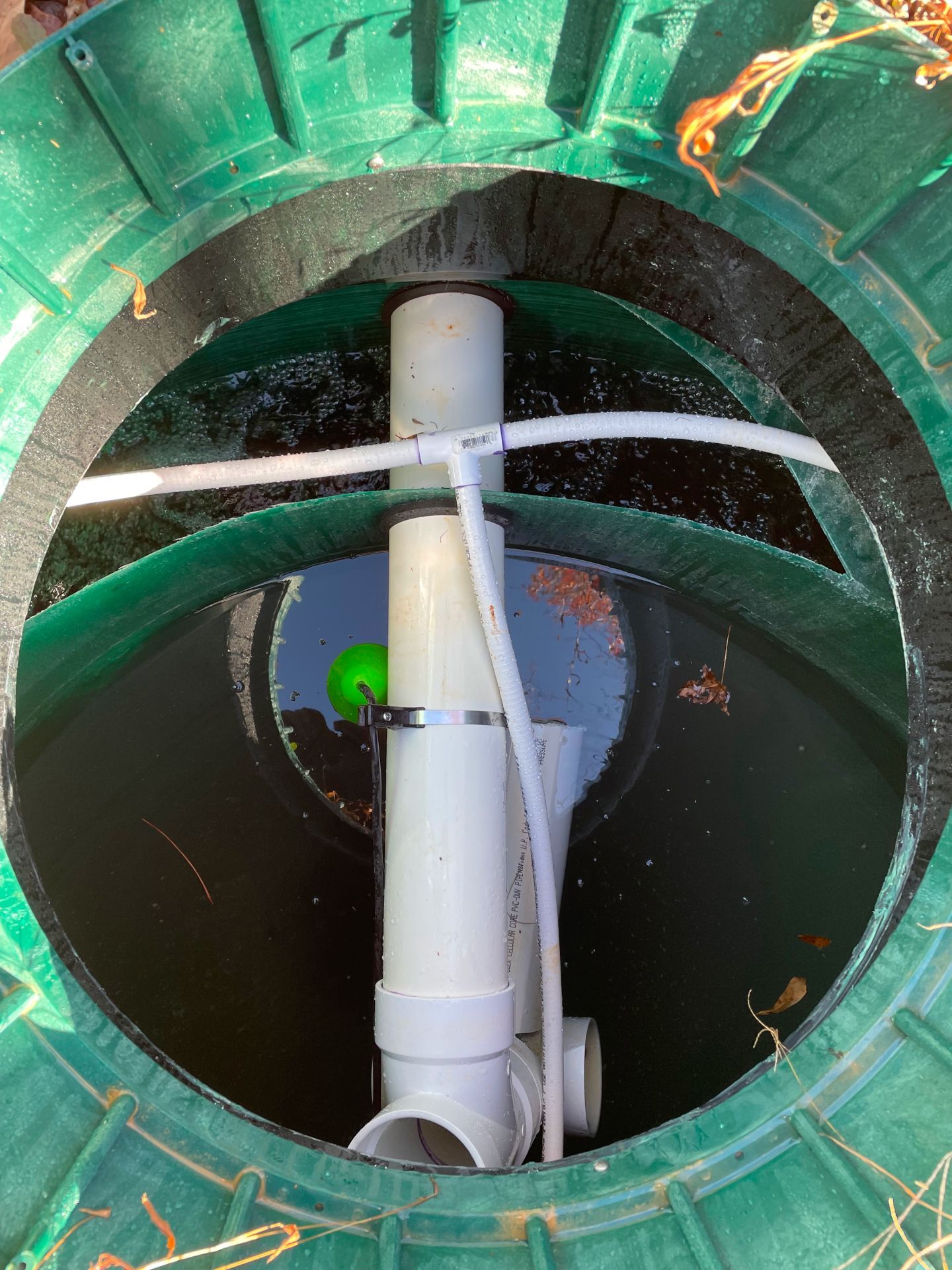
The air pump and diffusers play a crucial role in maintaining proper oxygenation within the ATU. Issues with these components can lead to reduced bacterial activity and impaired wastewater treatment. To inspect the air pump and diffusers:


1. Check for any visible damage, wear, or malfunction in the air pump or diffuser components

2. Ensure that the air pump is running and supplying adequate airflow

3. Assess the diffuser stones for clogs or blockages, which could reduce oxygen delivery


If any issues are identified during this inspection, consult professionals for repair or replacement of the damaged components, especially during the autumn and winter months when biological processes can be slowed.


Step 3: Evaluate Odor Control and Ventilation


Proper odor control and ventilation are essential to maintain a comfortable environment for property users and neighbors. To evaluate your ATU system's odor control:


1. Inspect the system's vents for any obstructions or debris buildup that could hinder effective ventilation

2. Ensure all vents are correctly situated and connected to provide adequate airflow

3. Assess the ATU's piping and seals for any leaks that could cause unpleasant odors


By maintaining effective odor control and ventilation, you can ensure the optimal operation of your ATU system throughout the colder months.


Step 4: Investigate System Overloading and Hydraulic Issues


Issues with overloading and hydraulic imbalances can be detrimental to the performance of your ATU system. To investigate these problems:


1. Monitor the water usage in your property and ensure that it falls within the recommended limits for your ATU system

2. Inspect your system for any signs of overflow or surges, which could indicate a hydraulic imbalance

3. Ensure that the ATU's inlet and outlet piping and controls are functioning correctly and not contributing to system overloading


In case of overloading or hydraulic malfunctions, consult with ATU experts, like Alternative Septic Management, Inc., for advice on how to resolve the issue and restore system balance.


Step 5: Examine Filters and Solids Accumulation


Filters play a crucial role in preventing solids from entering your ATU system and causing potential damage. Regular inspection and maintenance of these filters can help identify and resolve potential problems. To examine your system's filters:


1. Check your ATU's filters for clogs and solid accumulation, cleaning or replacing them as necessary

2. Assess the sludge and scum levels in your ATU's tank to ensure they are within appropriate limits to prevent filter clogging or system malfunctions

3. Schedule periodic professional inspections to assess and monitor solids accumulation and ensure the proper function of your ATU system


Maintaining proper filter cleaning and solids management can help guarantee that your ATU system remains efficient and effective even during the autumn and winter seasons.


By working through this comprehensive troubleshooting checklist, property owners can identify and resolve common issues that may arise with their ATU systems. Partnering with experienced service providers like Alternative Septic Management, Inc. further ensures that your ATU system functions efficiently and is well-maintained, especially during the autumn and winter months, when colder temperatures impose additional challenges.


Mastering ATU Troubleshooting for Optimal Performance


Addressing common ATU issues through a comprehensive troubleshooting process helps property owners maintain the efficiency and longevity of their wastewater treatment systems. By focusing on essential steps such as alarm system assessment, air pump and diffuser inspection, odor control evaluation, hydraulic balance investigation, and filter maintenance, property owners can confidently tackle potential issues and ensure their systems operate seamlessly during colder seasons.


When you need an expert for your
alternative septic system maintenance, look no further than Alternative Septic Management, Inc. Our team of ATU professionals in Georgia is ready to assist in troubleshooting and maintaining your ATU, handling seasonal challenges, and keeping your wastewater treatment eco-friendly. Contact us today to schedule an inspection or service appointment, and let our experts help you maintain a high level of performance for your ATU system year-round.
December 23, 2025
Learn why winter is an ideal time for preventive ATU maintenance. Alternative Septic Management helps Georgia homeowners protect system performance and avoid costly repairs.
December 19, 2025
Learn the early signs that your aerobic treatment unit may need winter maintenance. Alternative Septic Management helps Georgia homeowners prevent cold-weather septic issues.
December 3, 2025
Holiday gatherings can overload aerobic treatment units. Alternative Septic Management helps Georgia homeowners prevent ATU strain with maintenance, inspections, and smart water-use tips for a trouble-free season.
November 11, 2025
Cold weather can impact ATU performance. Alternative Septic Management helps Georgia homeowners protect aerobic treatment units from freezing, power loss, and rain with expert inspections, maintenance, and winter care services.
October 19, 2025
Heavy rain can overwhelm aerobic treatment units in Georgia. Learn how Alternative Septic Management helps homeowners prevent flooding, oversaturation, and system damage through expert inspection and maintenance.
October 3, 2025
Learn how to detect and prevent early root intrusion in aerobic treatment units. Alternative Septic Management helps Georgia homeowners protect septic systems with expert inspections and reliable service.
September 30, 2025
Get your Hydro-Action aerobic treatment unit ready for fall and winter with expert service from Alternative Septic Management. We help Georgia homeowners protect their systems from freezing, heavy rains, and holiday overuse.
September 8, 2025
Prepare your septic system this fall with expert service from Alternative Septic Management. Serving Georgia homeowners, we provide inspections, pumping coordination, and Hydro-Action ATU care to prevent problems before winter and holiday gatherings.
August 20, 2025
Protect your home and avoid costly repairs with expert septic inspections from Alternative Septic Management. Serving Georgia homeowners, we detect issues early, extend system life, and ensure compliance with local regulations.
August 6, 2025
Why Environmentally Responsible Systems Matter in Georgia Water Resource Protection In Georgia, protecting natural water resources is critical. Our state depends on groundwater, lakes, rivers, and wetlands for drinking water, recreation, and agriculture. Improperly managed wastewater from septic systems can introduce contaminants such as nitrates, phosphates, and harmful bacteria into the soil and water supply. This not only threatens human health but can also degrade entire ecosystems. At Alternative Septic Management, we believe that responsible wastewater treatment begins with choosing systems that support long-term water quality. Growing Local Regulations Georgia counties are increasingly tightening their environmental standards regarding septic systems. Many areas now require more advanced wastewater treatment solutions, particularly in locations near wetlands, flood zones, or community wells. These changes are driven by the need to control pollution and minimize health risks. Hydro‑Action systems meet or exceed these regulatory expectations. As specialists in advanced septic technologies, we help Georgia homeowners stay compliant by installing systems that align with state and local standards. How Hydro‑Action Systems Support Long-Term Sustainability Aerobic Treatment Reduces Contamination Hydro‑Action systems use aerobic treatment processes that infuse oxygen into wastewater to support aerobic bacteria, which are more efficient than anaerobic organisms in breaking down organic waste. This technology produces effluent that is significantly cleaner than that from traditional septic tanks. The result is wastewater that poses less risk to the surrounding environment and water supply. Cleaner Effluent Helps Preserve Ecosystems When effluent enters the soil at a higher quality, it requires less natural filtration and is less likely to pollute water sources. This is particularly important in Georgia, where many homes are located near lakes, streams, and protected land. Advanced treatment systems help preserve these ecosystems by reducing nutrient loads and limiting bacterial contamination that can harm wildlife and aquatic environments. Smart Habits for Efficient and Safe Septic System Operation Use Septic-Safe Cleaning Products Many household cleaners contain harsh chemicals that can damage the delicate bacterial balance inside your septic system. These include bleach, ammonia, and chemical drain cleaners. When introduced into a Hydro‑Action aerobic system, these substances can kill off the beneficial bacteria that are critical to waste breakdown. We advise using biodegradable and septic-safe products to help maintain bacterial health and prevent system malfunctions. Avoid Flushing or Draining Harmful Materials Proper septic care also means being mindful of what goes down your drains. Items like grease, oils, disposable wipes, feminine hygiene products, coffee grounds, and prescription medications can create clogs, kill bacteria, or damage mechanical components. Even in advanced systems like Hydro‑Action systems, introducing the wrong materials can lead to costly repairs and premature system failure. Maintain Bacterial Balance Through Scheduled Maintenance Routine service is not optional for aerobic treatment systems; it’s essential. Hydro‑Action systems rely on an optimal environment within the treatment chamber to keep bacteria levels healthy and effective. Regular maintenance includes checking the aerator, cleaning filters, and making sure the system isn’t overloaded. At Alternative Septic Management, we offer recurring service plans that help homeowners stay on schedule and avoid performance issues. What Sets Alternative Septic Management Apart Commitment to Environmental Responsibility Our company is built on a foundation of environmental stewardship. Every Hydro‑Action system we install is an opportunity to reduce the environmental impact of wastewater treatment in Georgia. From day one, our goal is to help homeowners make smart, sustainable choices that benefit both their properties and the wider community. We don’t cut corners, and we never recommend a system that doesn’t suit your land or meet your goals for performance and safety. Custom Systems for Maximum Efficiency No two properties are the same. That’s why our Hydro‑Action installations begin with a thorough site evaluation. We assess slope, water table level, soil type, and regulatory constraints before designing a system. Our customized approach ensures that your septic solution is both effective and efficient, regardless of whether your property is urban, rural, hilly, or close to water. Why Proactive Septic Choices Make a Lasting Difference Many homeowners wait until a problem arises before considering an upgrade or new installation. But taking a proactive approach is often more affordable and environmentally sound. Investing in an advanced treatment system like the Hydro‑Action system early on prevents future issues, protects local resources, and gives homeowners peace of mind. These systems are not just for regulatory compliance. They’re long-term investments in your home’s value and functionality. In Georgia’s growing residential areas, responsible wastewater treatment is no longer optional. It’s a necessary part of being a good neighbor, protecting public health, and preserving the natural beauty of the state. At Alternative Septic Management, we believe every household can contribute to cleaner water and better living conditions by choosing the right system and keeping it properly maintained. Take the Smarter Step Toward Sustainable Septic Solutions If you’re planning to install a new septic system or want to upgrade an aging one, consider how your choice can impact the land and water around you. A Hydro‑Action system offers more than performance. It supports long-term environmental quality, regulatory compliance, and peace of mind. When you partner with Alternative Septic Management, you gain access to decades of experience, state-of-the-art technology, and a team that prioritizes your needs and Georgia’s future. Call us today at (404) 788-3474 or visit our website to learn more about Hydro‑Action systems and schedule a consultation . Let’s build a cleaner, safer future together, starting with your septic system.