Maximizing the Lifespan of Your ATU: Maintenance Tips and Best Practices
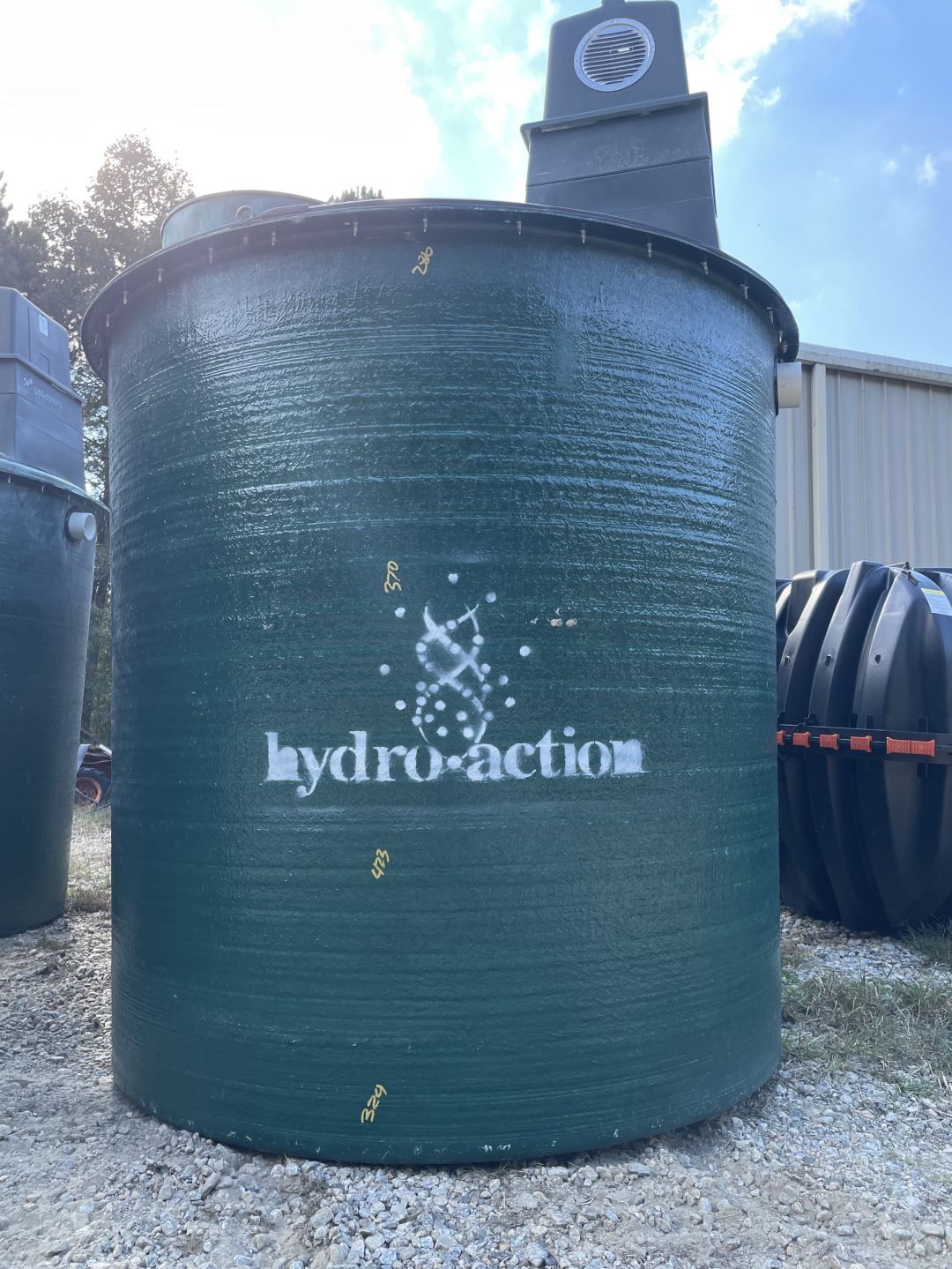
Aerobic treatment units (ATUs) offer an efficient and eco-friendly alternative to traditional septic systems, providing advanced wastewater treatment for a wide range of applications. As more and more property owners opt for these alternative systems, understanding how to maintain and care for an ATU properly is crucial to ensuring optimal long-term performance and environmental responsibility. Proper maintenance not only extends the lifespan of your ATU but also safeguards the quality of your treated effluent, significantly reducing the risk of groundwater contamination and other environmental hazards.
From routine inspections to addressing potential issues early, effective maintenance is the key to preserving the reliable and eco-friendly nature of your ATU. So, let's explore the world of ATU maintenance and discover the essential steps for ensuring the longevity and peak performance of your wastewater treatment solution.
The Importance of Regular ATU Inspections
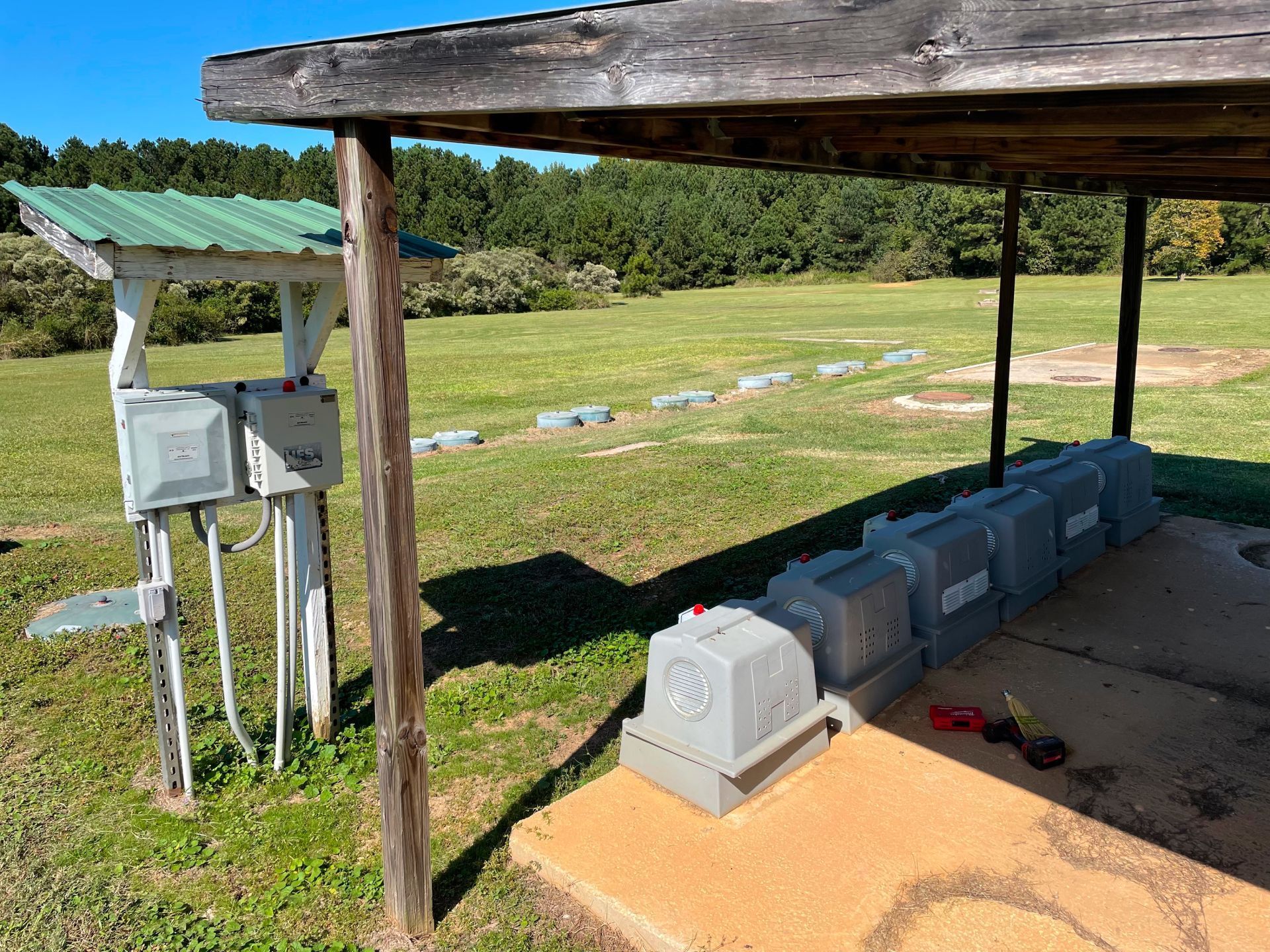
Routine inspections are a crucial aspect of proper ATU maintenance. By regularly examining the different components of your ATU, you can identify potential issues early and address them before they escalate into costly repairs or system failures. Essential areas to inspect during these checkups include the following:
1. Electrical components: Ensure that all electrical connections are secure and stable, with no signs of corrosion or damage.
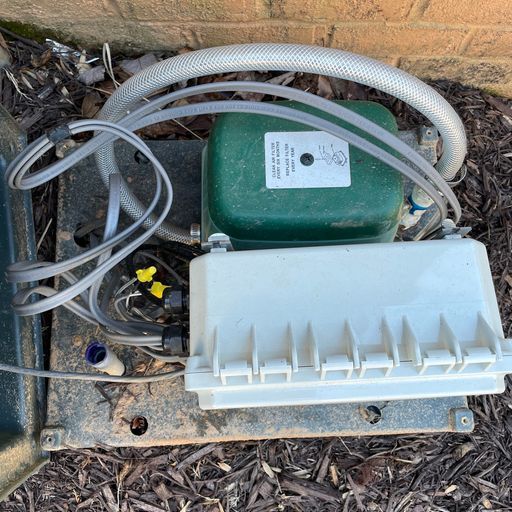
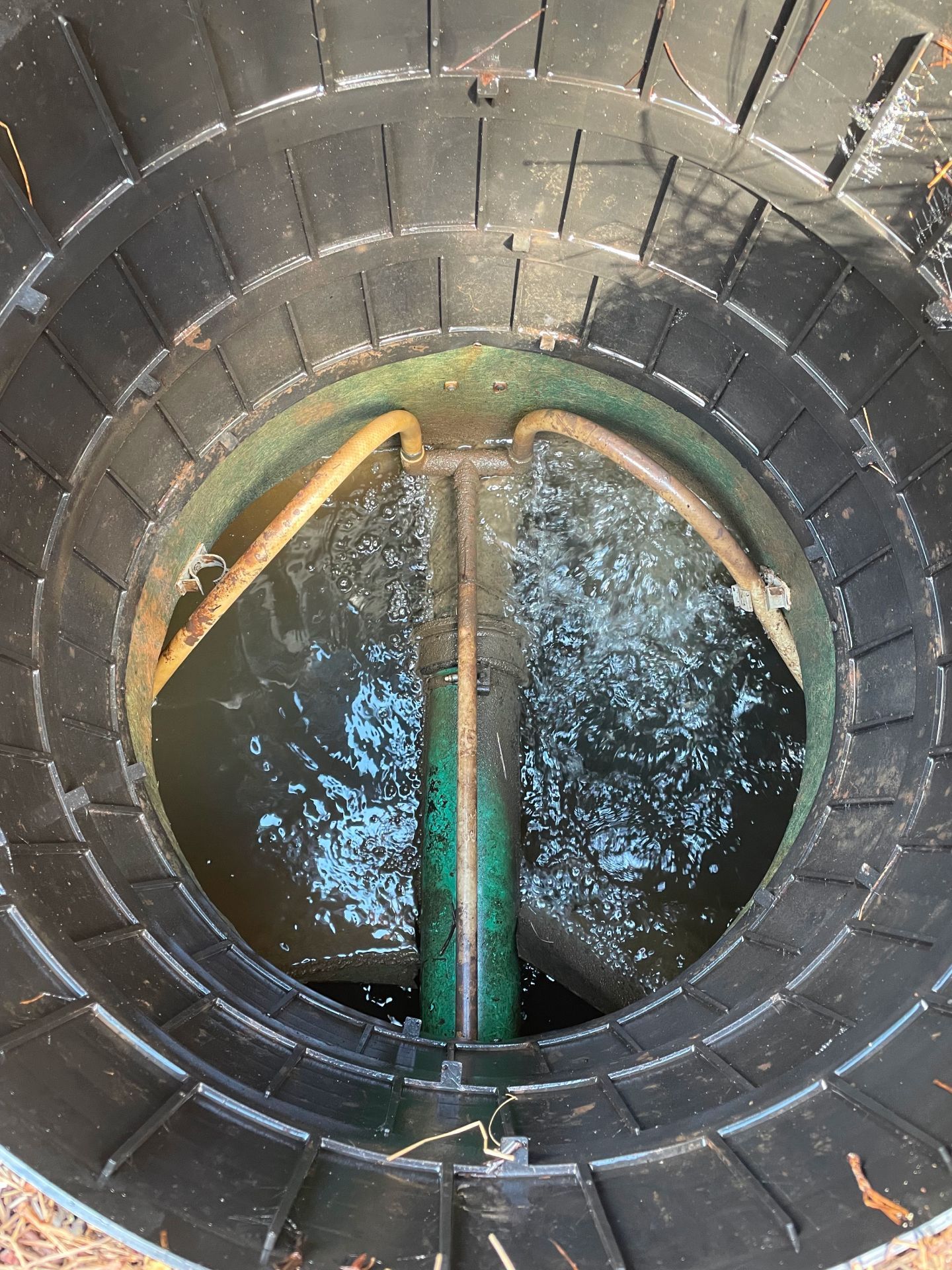
2. Aeration and air supply: Check the aeration system, air filters, and diffusers for proper functioning and adequate airflow.
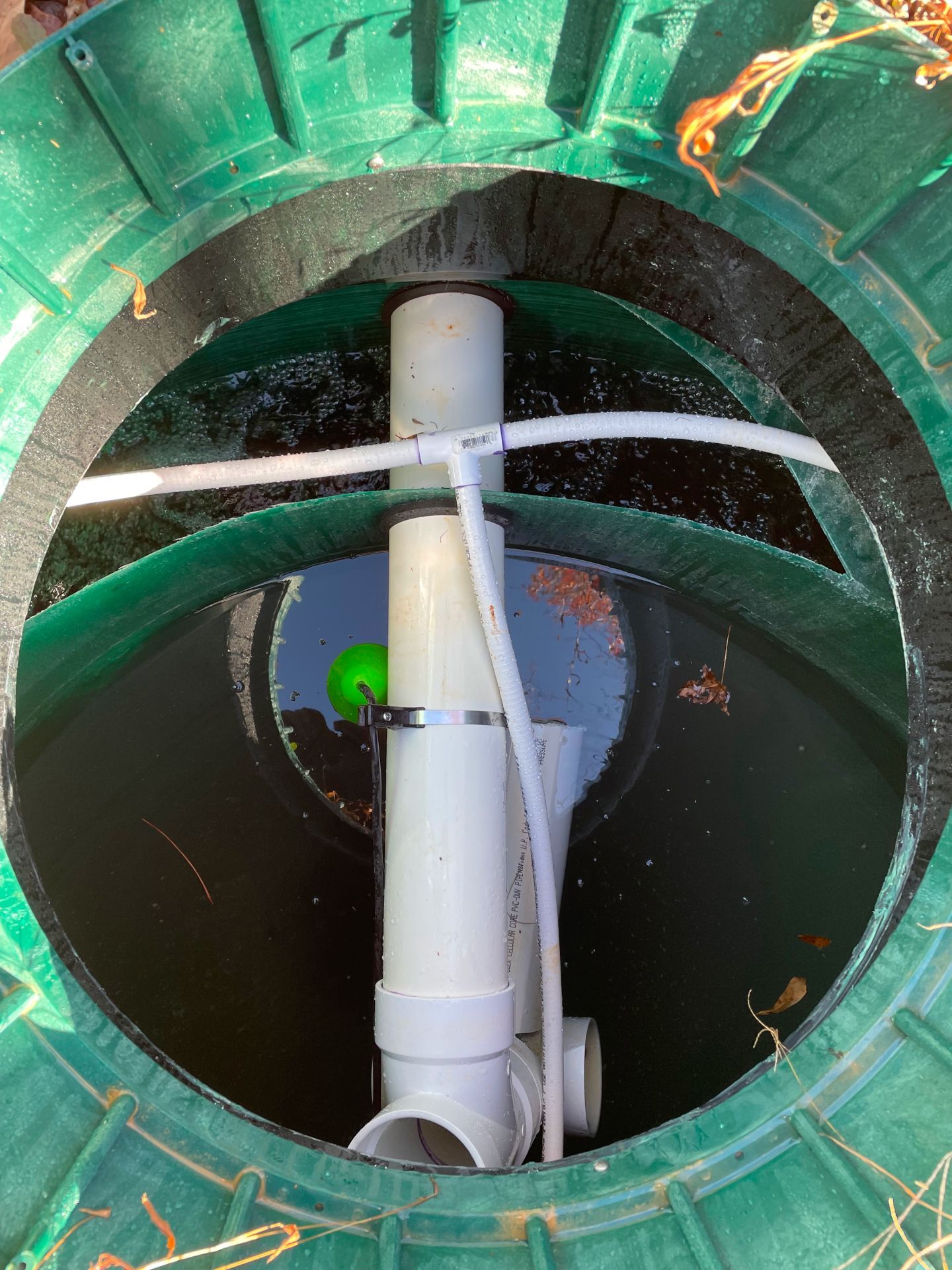
3. Sludge accumulation: Monitor the level of sludge in the ATU and make a note of any unusual increases.
4. Effluent quality: Examine the clarity and odor of the treated effluent, as these factors can indicate the overall performance of your ATU.
Scheduling these inspections at least twice a year, or as recommended by your ATU manufacturer, will help maintain the health and longevity of your system.
Maintaining Your ATU: Key Tasks and Procedures
Beyond inspections, several maintenance tasks can help keep your ATU functioning at its best. Depending on your ATU model and local regulations, some of these procedures may require the assistance of a certified service provider:
1. Cleaning and replacing air filters: Regularly clean or replace the air filters, typically every 3-6 months, to ensure proper airflow and aeration within the system.
2. Pumping and sludge removal: Schedule professional pumping and removal of accumulated sludge in your ATU, generally every 3-5 years, though the timeframe can vary based on your system's size and usage.
3. Bacteria replenishment: ATUs rely on beneficial bacteria for efficient wastewater treatment. Occasionally adding a bacteria solution can help maintain a healthy bacterial population, particularly after heavy use of household chemicals or antibiotics.
4. Ensuring proper aeration: The aeration system is crucial to the ATU's performance; make certain it remains in good working order by keeping the blower clean and regularly servicing air compressors and diffusers.
Troubleshooting Common ATU Issues
Like any mechanical system, ATUs may occasionally experience issues in their operation. By familiarizing yourself with common ATU problems and their remedies, you can troubleshoot these situations quickly and effectively:
1. Reduced treatment efficiency: If you notice a decrease in effluent quality or odors emanating from your ATU, check for possible causes such as inadequate aeration, damaged electrical components, or a depleted bacterial population.
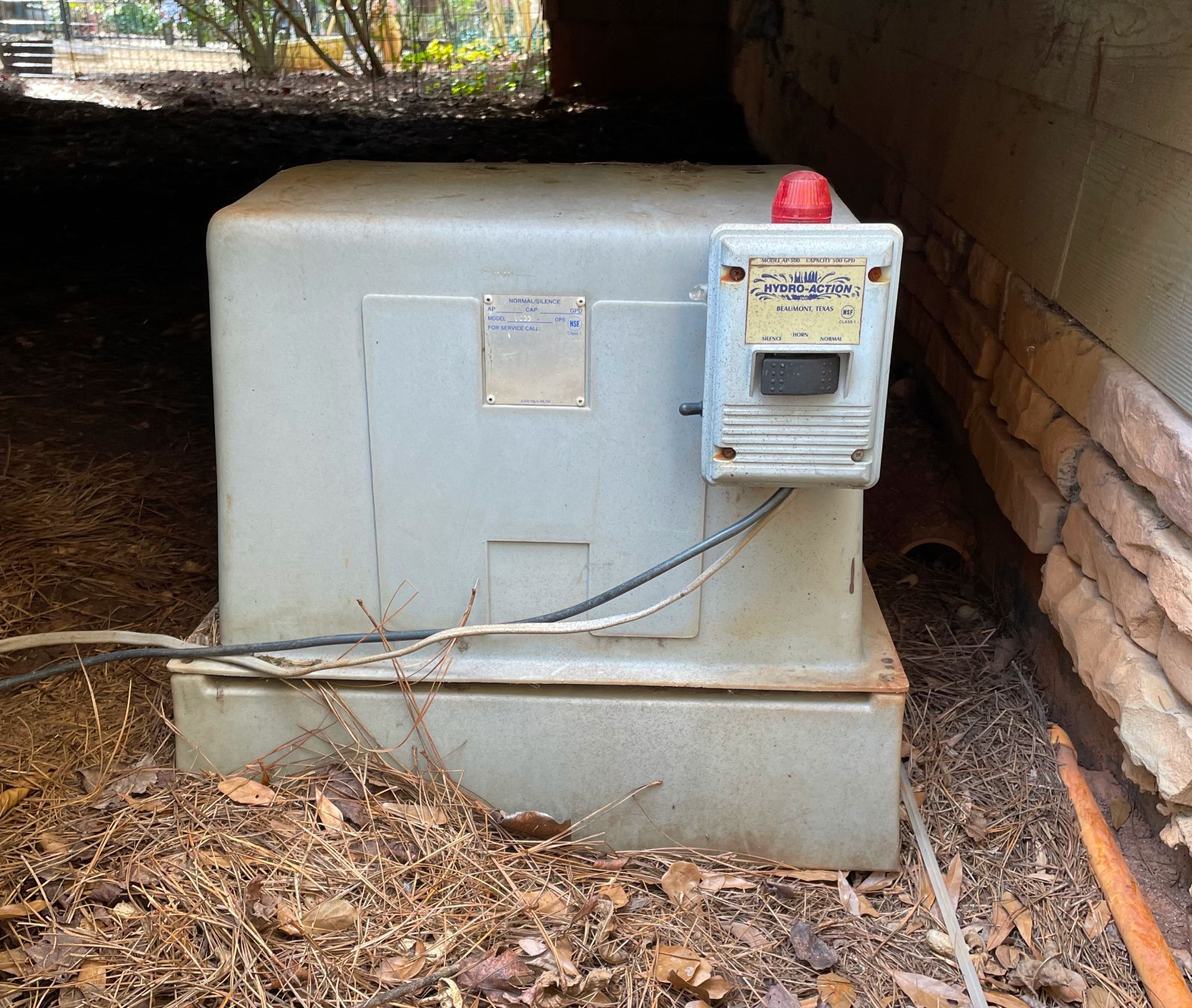
2. Alarms and warnings: Many ATUs come with built-in alarms or warning systems to alert you to potential problems. Understand these signals and know whom to contact for assistance in addressing the issue.
3. Leaks and spills: If you observe any signs of leaks or spills around your ATU or dispersal field, take prompt action to address the issue and prevent environmental contamination.
If in doubt or faced with a challenging problem, always consult a professional with experience in troubleshooting and repairing ATUs.
ATU Maintenance and Care: Dos and Don'ts
To keep your ATU in peak condition, follow these dos and don'ts for optimal system care:
Do:
1. Abide by your ATU manufacturer's guidelines and recommendations regarding maintenance and inspection schedules.
2. Limit the use of household chemicals, as excessive quantities can disrupt the balance of beneficial bacteria in your ATU.
3. Conserve water to avoid overloading your ATU, as this can lead to decreased treatment efficiency and system stress.
4. Properly dispose of non-biodegradable materials like cooking grease and cigarette butts, as these items can cause blockages and hinder the performance of your ATU.
Don't:
1. Drive or park heavy vehicles on or near your ATU or dispersal field, as this can cause damage to the system and soil.
2. Disregard alarms, warnings, or unusual sounds from your ATU – address any issues promptly to prevent further complications.
3. Rely solely on additives to solve ATU problems; while additives can help maintain bacterial populations, they are not a substitute for proper maintenance and care.
Ensuring a Long-Lasting and Environmentally Responsible ATU
Maintenance is the key to maximizing the lifespan and performance of your aerobic treatment unit. By following these best practices, you can enjoy the environmental benefits and efficiency of your ATU for years to come, safeguarding your investment and minimizing any negative impacts on the surrounding ecosystem.
Alternative Septic Management Inc. can help you implement and maintain a comprehensive maintenance plan tailored to your specific system needs. Contact us today, and let's work together to keep your
aerobic treatment units operating at their best – protecting your property and the environment for a cleaner, greener future.